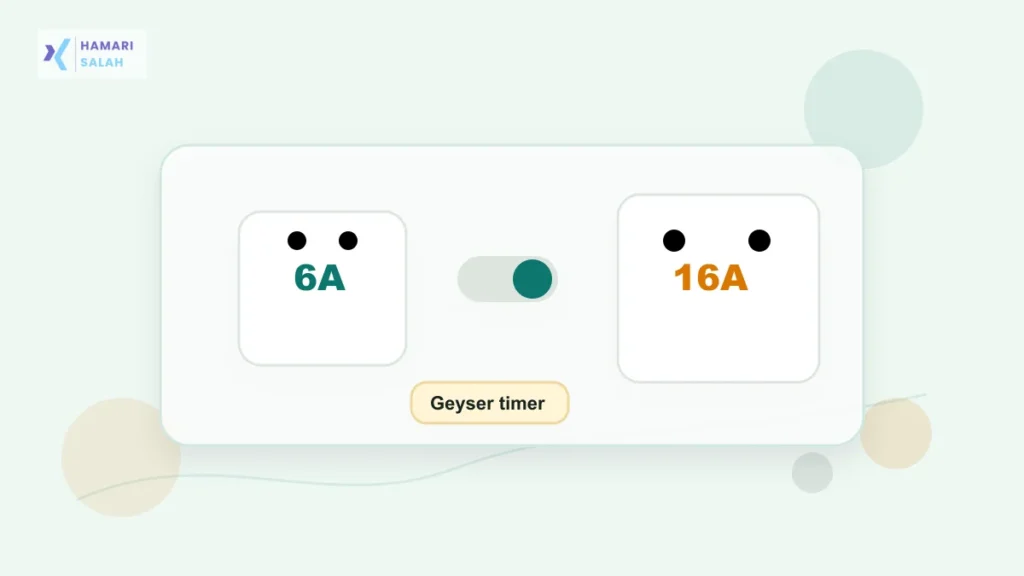
Reducing electricity waste does not always require new appliances or expensive upgrades. Many Indian homes lose power through habits: fans running in empty rooms, geysers left on too long, old refrigerators working harder than needed, or AC settings that fight the weather instead of managing comfort.
The goal is not to suffer in the heat. The goal is to stop paying for electricity that gives no real benefit.
Key Takeaways
- Start with habits before buying gadgets.
- AC, geyser, refrigerator, and fan routines usually matter more than tiny standby loads.
- Check one room at a time so the audit feels manageable.
- Smart plugs can help with scheduling, but they are not a magic bill reducer.
- Avoid unsafe extension boards and overloaded sockets.
Step 1: Read The Bill Correctly
Look at monthly units consumed, billing period, tariff slab, fixed charges, and past months. Do not judge one month alone if weather, guests, work-from-home hours, or appliance use changed.
If you are comparing months, compare similar seasons where possible. A summer bill and a winter bill are not equal comparisons.
Step 2: Audit One Room At A Time
Living Room
Check fans, lights, TV, set-top box, router, chargers, and decorative lights. Switch off what is not in use, but keep router or security devices on if your household needs them.
Bedroom
Check AC temperature, fan speed, chargers, lamps, and devices left running overnight. A small temperature adjustment can matter more than unplugging one charger.
Kitchen
Check refrigerator door habits, mixer use, microwave standby, and appliance placement. Keep the refrigerator door seal clean and avoid placing hot food inside immediately.
Bathroom And Utility Area
Geysers can waste power quickly if left on for long periods. Use a routine or timer habit instead of leaving it running by default.
Step 3: Improve Fan, AC, And Geyser Habits
Fans cool people, not rooms. Switch them off when nobody is there. For AC use, keep doors and windows closed, avoid very low temperature settings, and clean filters as recommended by the manual.
For geysers, heat water close to when it is needed. Leaving a geyser on for hours is usually more wasteful than most small standby loads.
Step 4: Stop Standby Waste Where It Is Easy
Some devices consume power even when they look off. Examples include chargers, TV boxes, speakers, and appliances with display lights. The savings from each device may be small, but easy switches can still be worthwhile.
Do not create inconvenience for important devices. A router, CCTV system, medical device, or work setup may need to stay on.
Step 5: Decide Whether A Smart Plug Actually Helps
A smart plug is useful only if it solves a real routine problem. It may help with decorative festival lights, a router restart schedule, or a device that family members forget to switch off.
It is not the first solution for old ACs, refrigerator problems, or geyser overuse. Fix the high-impact habits first.
Indian Household Examples
A family with a geyser left on every morning may save more by changing the geyser routine than by unplugging every charger. A work-from-home household may keep the router on but schedule decorative lights. A rented flat may focus on habits because major appliance upgrades are not practical.
Common Mistakes To Avoid
- Buying gadgets before changing habits.
- Ignoring AC filters, door gaps, and extreme temperature settings.
- Leaving the geyser on for hours.
- Overloading extension boards.
- Assuming every smart plug purchase will reduce the bill.
FAQ
What should I switch off first?
Start with appliances that run for long periods without need: fans in empty rooms, unnecessary lights, geysers, and devices left on overnight.
Is standby power a big problem?
It can add up, but in many Indian homes larger appliances and habits have a bigger effect. Treat standby control as one part of the plan.
Can a smart plug reduce my electricity bill?
It can help if it prevents a device from running unnecessarily. It does not guarantee savings by itself.
Should I unplug the fridge to save power?
No. A refrigerator should run as designed. Focus on door habits, seal condition, placement, and maintenance instead.